
Build stage, visible output
Working build on a staging link
Open and clickable

Our approach
Most digital projects stall for organisational reasons: unclear scope, no review points, nobody deciding who signs off. This page shows the stages Innomedia Technologies works through, from first conversation to live support.
Innomedia Technologies Pte Ltd runs a defined delivery process with named stages and checkpoints. You always know which stage a project is in, what is being decided, and what happens next. If a stage does not make sense for your budget, the work stops there rather than drifting forward on assumptions.
The same process covers web development, mobile app development, UX/UI design and e-commerce work. What changes between project types is the depth of each stage, not the shape of the process.
Discovery and scoping
Prototyping and validation
Build and review
Testing and launch
First stage
Discovery is short and structured. We ask what exists today, what the deadline is, and what a good outcome looks like for the people who will use the product.
We list the pages, integrations and platforms involved, because those drive most of the effort. A booking flow with a payment gateway and a CRM sync is a different job from a brochure site with five pages, and the estimate should say so. The output is a written scope with named deliverables and review points.
What we need from you
A named decision-maker, any existing brand material, and access to current hosting or platform accounts where relevant.
What you receive
A written scope with the deliverables, the review points, and the assumptions the estimate rests on.
You can stop after discovery if the numbers do not work for you. The scope document is yours to keep, and it is often useful even if the build happens elsewhere.

Before development we build wireframes or a clickable prototype, depending on the project type. Structure and flow get tested cheaply, and stakeholders react to something real instead of a written description.
Changes here cost almost nothing
The same change later costs a sprint
Development runs in stages, and each one ends with something you can open, click and comment on. Nobody disappears for two months and returns with a finished product.
Working build on a staging link
Open and clickable
One round, gathered in one place
Predictable schedule
New requests logged as separate work
No quiet creep
Feedback arrives in rounds rather than trickling in continuously, which is what keeps a schedule believable. If a new idea lands mid-build, we log it, price it, and decide together whether it belongs in this phase or the next one.
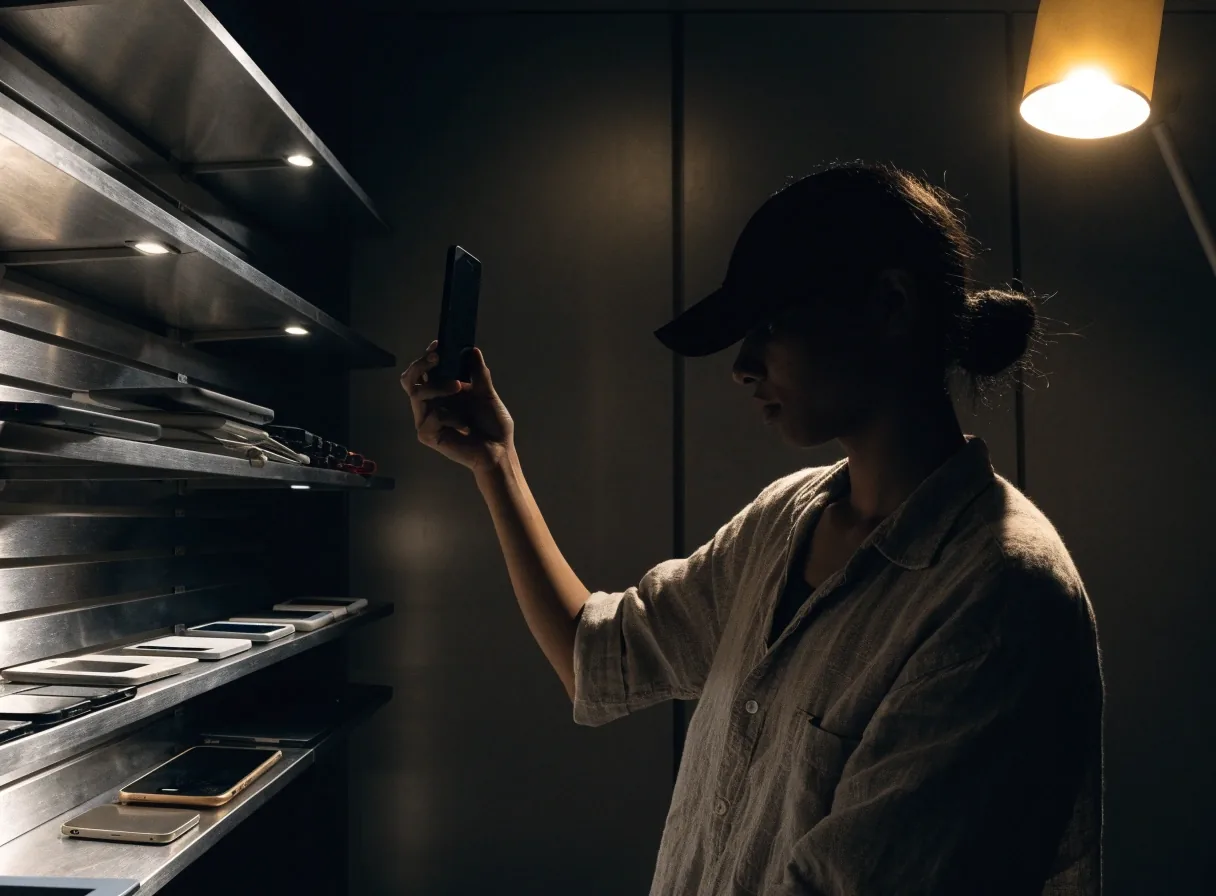
Testing covers devices, browsers and the critical user path: checkout, signup, or enquiry submission, whichever is the reason the product exists. We test on real hardware rather than emulators alone, because emulators miss how a phone behaves on a slow connection or with a thumb in the way.
Launch day is a checklist, not a leap. Deployment, DNS and hosting checks run in order, followed by a verification pass on the live environment before anyone is told the site is up.
Go-live checks
Deployment, DNS, hosting and SSL verified on the live environment, not on staging. Redirects and canonical paths get checked so search engines see one clean version of each page.
What you own
Platform administration, credentials and written documentation are handed to you. Nobody should be locked out of their own product, so access is transferred in your name, not held by us.
Team walkthrough
Where your team will manage content day to day, we run a session on the CMS or platform: editing pages, adding products, handling media, and what to do when something looks wrong.
A live product generates data no planning session can predict. After launch we review behaviour analytics and prioritise changes around what users actually do: where they drop off, which pages carry the enquiries, which forms get abandoned.
Ongoing work is scoped separately from the initial build, so the budget stays clear and you decide how much iteration a product earns. Iteration is usually where most of the value accumulates over time, but it only works when the first release was built to be changed rather than rebuilt.
Named contact
One person on our side owns your project and answers for it from discovery through to launch.
Single channel
Questions and decisions live in one shared channel, not scattered across separate email threads.
Status on the review cycle
Updates follow the same rhythm as the build stages, so you always know where the work stands.
Bad news early
If something slips, you hear about it when we know, not on the deadline when it becomes your problem.
Innomedia Technologies Pte Ltd operates from #06-04, Westech Building, Pandan Loop, Singapore 128424. Local clients get short review cycles and in-person handovers where useful, which tends to remove the guesswork from sign-off.
Phone 6163442753 or email [email protected] to talk through a project. We reply during studio hours, Monday to Friday, 9:00 AM – 6:00 PM.
Discovery is usually a matter of days, not weeks. Prototyping depends on how many flows get tested. Build stages are sized in the written scope, and each one ends with a review, so the schedule is measured in checkpoints rather than one long delivery date.
That changes discovery, not the process. We review what exists, say plainly what can be kept and what would cost more to work around than to redo, then scope from there. Handing over existing files early saves everyone time.
Each stage has one named sign-off from your side, agreed during discovery. That keeps review points short and stops decisions reopening three stages later, which is the most common reason digital projects run over.
Yes. The same stages apply and reviews run over shared documents and calls. Local clients get the option of in-person handovers and workshops; remote clients get the same documentation, just delivered digitally.
Support covers fixes to what was built, small content and configuration changes, and the review of behaviour analytics that drives the next round of iteration. Larger changes are scoped as separate work so the ongoing budget stays visible.
Tell us the deadline, the platforms involved and who signs off. You get back a written scope with the deliverables and review points named, so the first decision you make is an informed one. Web development, mobile app development, UX/UI design and e-commerce work all start the same way.